
How to brew tea (G)
This page introduces how to brew the following types of tea.
Target tea
- Gyokuro
The above teas are available in the following ways:
- How to brew Gyokuro with an emphasis on umami
- For beginners / Brewing for large groups
- Semi-kōfu style for advanced tea brewers using fine tea leaves
- Brewing with a glass
- How to make cold brew
- Recommended brewing method for those who want to limit caffeine
We will introduce them in order.
1. How to brew Gyokuro with an emphasis on umami
Here we will introduce a method to bring out a smooth flavor by brewing at a lower temperature.
This is the most common way to brew Gyokuro. By brewing at a lower temperature, the amount of caffeine extracted is reduced, resulting in a smooth flavor.
However, HOJO's Gyokuro is selected not for its flavor, but for its lingering taste and aftertaste, so I think that brewing it at a higher temperature actually brings out its unique characteristics.
There are many different types of teapots, including those for Chinese tea, Japanese tea, and black tea, but as long as you are mindful of the material, they can be used in any tea room.
Glass teapot
Materials used for teapots and teacups
Pottery:
It is often thought that ceramic teapots improve the taste, but surprisingly, more than half of ceramic teapots have a bitter taste that cancels out the richness of the tea. If you feel that the taste lacks depth, it may be that the teapot is the cause, so you need to be careful.
Porcelain and glass:
It is often thought that porcelain and glass are neutral and do not affect the taste, but leaching tests have shown that minerals are leached out from them, and in fact, they have a significant effect on the taste of tea. The more you drink high-quality tea, the more carefully you need to choose your materials.
Regardless of the type of ingredients, be sure to choose them with the understanding that the quality will affect the taste.
For more information, please refer to "How to Choose a Teapot and Teacup."
| Materials of teapots and teacups |
|---|
|
Pottery
Porcelain and glass Regardless of the type of ingredients, be sure to choose them with the understanding that the quality will affect the taste. How to choose a teapot and teacup >
|
| Water temperature |
*Use water that has been boiling for about 3 to 5 minutes. |
| Amount of water and tea leaves |
When brewing Gyokuro using this method, use 5g to 7g of tea leaves. |
| Step 1: Warm the teapot |
*Putting in as much hot water as possible will allow the teapot to preheat properly. |
| Step 2: Brew the tea |
|
Put the tea leaves into a teapot and pour in boiling water. The steeping (steaming) times after adding the hot water are as follows:
*The first brew requires time to let the tea leaves open. Please adjust the time to your liking. *From the second brew onwards, gradually increase the temperature. *After several infusions, brew with boiling water at the end. |
2. Brewing method for beginners/large groups
This brewing method avoids bitterness by brewing at a lower temperature.
There are many different types of teapots, including those for Chinese tea, Japanese tea, and black tea, but as long as you are mindful of the material, they can be used in any tea room.
Glass teapot
Materials used for teapots and teacups
Pottery:
It is often thought that ceramic teapots improve the taste, but surprisingly, more than half of ceramic teapots have a bitter taste that cancels out the richness of the tea. If you feel that the taste lacks depth, it may be that the teapot is the cause, so you need to be careful.
Porcelain and glass:
It is often thought that porcelain and glass are neutral and do not affect the taste, but leaching tests have shown that minerals are leached out from them, and in fact, they have a significant effect on the taste of tea. The more you drink high-quality tea, the more carefully you need to choose your materials.
Regardless of the type of ingredients, be sure to choose them with the understanding that the quality will affect the taste.
For more information, please refer to "How to Choose a Teapot and Teacup."
| Materials of teapots and teacups |
|---|
|
Pottery
Porcelain and glass Regardless of the type of ingredients, be sure to choose them with the understanding that the quality will affect the taste. How to choose a teapot and teacup >
|
| Water temperature |
*Use water that has been boiling for about 3 to 5 minutes. *By continuing to boil for a while, the calcium bicarbonate in the water will change into calcium carbonate, making the tea taste sweeter. *Please allow the boiled water to cool slightly before using. |
| Amount of water and tea leaves |
*Please adjust the amount of water and tea leaves to your liking using the above guidelines as a guide. *As a guideline, 5g can be used to brew 1 liter (or more) of tea. *As another guideline, 2-3g of tea is appropriate for 1-2 people, and 5g for 3-4 people. |
| Step 1: Warm the teapot |
*Putting in as much hot water as possible will allow the teapot to preheat properly. |
| Step 2: Brew the tea |
|
Put the tea leaves into a teapot and pour in boiling water. The steeping (steaming) times after adding the hot water are as follows:
*The first brew requires some steeping time to allow the tea leaves to open. Please adjust the steeping time to your liking. *From the second brew onwards, the tea leaves have opened up, so even a few seconds of steeping time will bring out the full flavour. |
3. Semi-ingenious method for advanced users and those with fine tea leaves
The Gongfu style is called Kung Fu style bubble tea in Chinese, and is a brewing method that was developed to make the high-quality Phoenix Single Cong Oolong tea in Chaozhou, Guangdong province more delicious.
By using a relatively small amount of water and brewing the tea at "high temperature for a short time," we can enhance the uniformity of the aroma and the clarity of the flavor.
Because each step needs to be done quickly, a gaiwan, hohin, shiboridashi, or a small kyusu (teapot) which has a fast flow rate (the speed at which the tea is poured) is suitable for this method of brewing.
Lid (Taiwan tea utensils)
| Water used |
|---|
*If you use tap water, use a water purifier with an activated carbon filter to remove chlorine from the water. |
| Boiling water |
|
○ Recommended water heaters
△ Boiling water requires caution
×Water boilers that you should avoid using
|
| Materials of teapots and teacups |
|
Pottery It is often thought that ceramic teapots improve the taste, but surprisingly, more than half of ceramic teapots have a bitter taste that cancels out the richness of the tea. If you feel that the taste lacks depth, it may be that the teapot is the cause, so you need to be careful. Porcelain and glass It is often thought that porcelain and glass are neutral and do not affect the taste, but leaching tests have shown that minerals are leached out from them, and in fact, they have a significant effect on the taste of tea. The more you drink high-quality tea, the more carefully you need to choose your materials.
* Regardless of the type of ingredients, please choose your ingredients with the understanding that the quality will affect the taste. How to choose a teapot and teacup >
|
| Volume of tea utensils |
|
|
| Water temperature |
*Use water that has been boiling for about 3 to 5 minutes. *By continuing to boil for a while, the calcium bicarbonate in the water will change into calcium carbonate, making the tea taste sweeter. |
| Amount of tea leaves |
*Adjust the amount of tea leaves according to your preference (light or strong). *As a guideline, 5g can be used to brew 1 liter (or more) of tea. |
| Detailed video |
| Step 1: Raise the temperature of the teapot |
|
| Step 2: Raise the temperature of the tea leaves (washing tea) |
|
Washing tea (preheating tea leaves)
*To avoid a drop in temperature, pour the hot water quickly from a low position, without letting it come into direct contact with the tea leaves. *For details on why tea is washed, please see the following page. How to brew tea that dramatically improves its aroma and taste >
|
| Step 3: Brew the tea |
|
The infusion (steaming) time after adding hot water is as follows.
The first brew will always be weak. The strength is adjusted by combining the first, second and third brews in the teapot/pitcher. After the fourth brewing, a steeping time of just a few seconds is sufficient. |
| Notes |
|
*Please pour out all the tea so that there is no hot water left in the teapot. If you leave the teapot with hot water remaining, the tea leaves will continue to be extracted by the hot water, and from the second brewing onwards not only will the flavor become very strong, but the tea leaves will also oxidize. *To adjust the strength of your tea, change the amount of tea leaves, not the steeping time. *After pouring out the hot water, remove the lid and allow the tea leaves to cool. Cooling prevents oxidation and keeps the tea leaves fresh. |
4. Brewing using a glass
Brewing tea in a glass (long glass) is a method that is frequently used in China. It is a very convenient method because it can be brewed easily and anywhere.
In order to observe the tea leaves closely, we recommend a straight, simple glass without any pattern.
Also, colored glass (including light green or blue) is not recommended as it adversely affects the taste. The same method can be applied to mugs, etc.
When pouring hot water into the teapot, the tea leaves do not sink easily, so pour the hot water in two stages when brewing tea.
Pour in a small amount of hot water first to allow the tea leaves to absorb enough water to help them sink. Next, the required amount of hot water is poured in, allowing the tea leaves to release their aroma and flavor efficiently.
5. How to make cold brew
For more information on how to make water brewing, please refer to this article.
| Water used |
|---|
*By boiling the water once, the calcium bicarbonate in it changes to calcium carbonate, bringing out the sweetness and aroma. *Please be sure to use water that has had chlorine removed. *If you use tap water, the taste will be slightly watery. |
| Amount of tea leaves |
|
| Infusion time |
*If it becomes too thick, dilute it with water. |
| Storage method |
*Using the above method, it is possible to maintain freshness for up to 3 days. |
6. Recommended brewing method for those who want to reduce caffeine
Caffeine is easily extracted when the water temperature is 80°C or higher, but is difficult to extract when the water temperature is below 80°C.
By utilizing this property, it is possible to brew tea with as little caffeine as possible.
Specifically, you make cold-brewed tea using cooled boiled water. However, the key is to make a strong tea concentrate (5 times concentrated) by steeping it for a long time using a small amount of water.
The method is to dilute the concentrate with boiling water in the same way as Calpis and make tea. By applying this method, you can make delicious tea that tastes like it was freshly brewed not only at home but also at work.
Please also refer to the following article.
| Water used |
|---|
*By boiling the water once, the calcium bicarbonate in it changes to calcium carbonate, bringing out the sweetness and aroma. *Please be sure to use water that has had chlorine removed. *If you use tap water, the taste will be slightly watery. |
| Amount of tea leaves |
|
| Infusion time |
|
| How to drink |
|
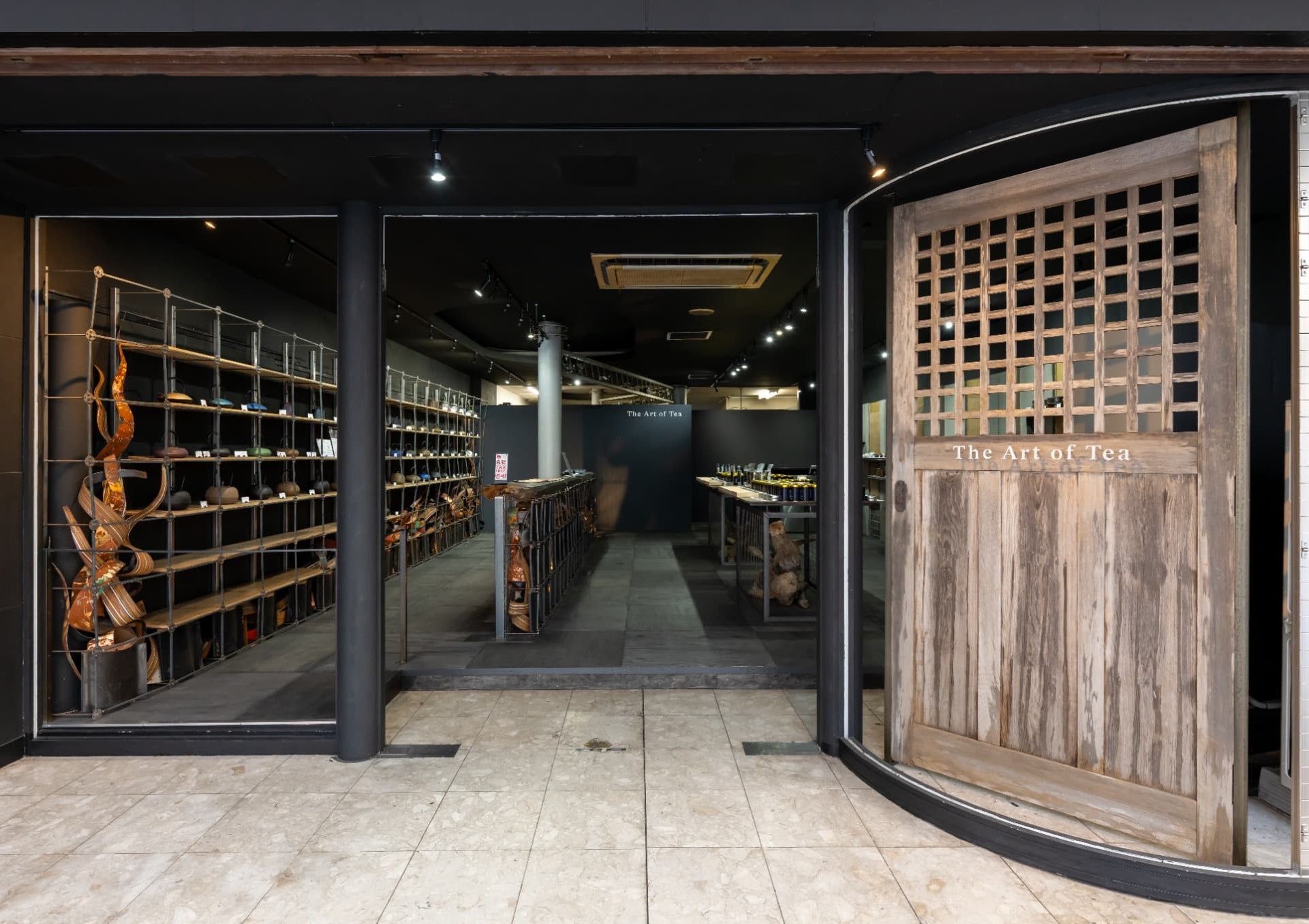
Enriching your life with tea
Our goal is to convey the charm of authentic Japanese tea to people all over the world and to spread the culture of enjoying tea in everyday life.
By working with artisans who have inherited traditional craft techniques and providing carefully crafted tea utensils, we aim to make tea time richer and more special.
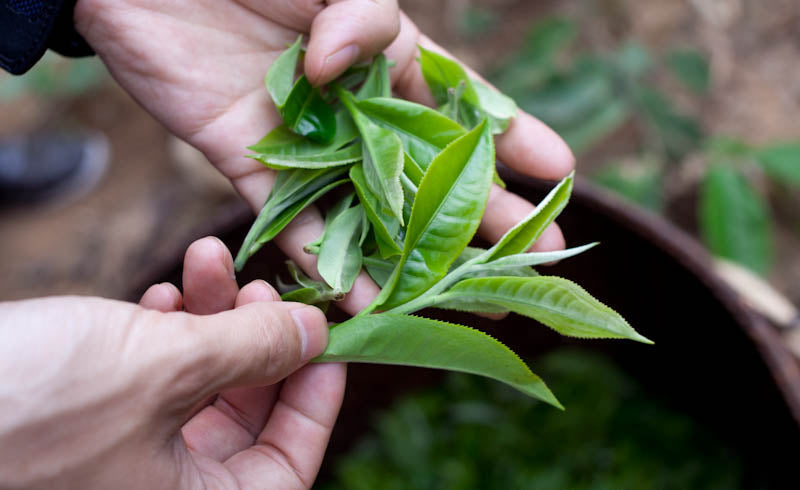
Carefully selected tea leaves and tea utensils
Our tea experts partner with tea plantations all over the world and provide tea that makes the most of the unique characteristics of each region.
We also stock special items such as Nanbu ironware teapots, which are renowned worldwide.
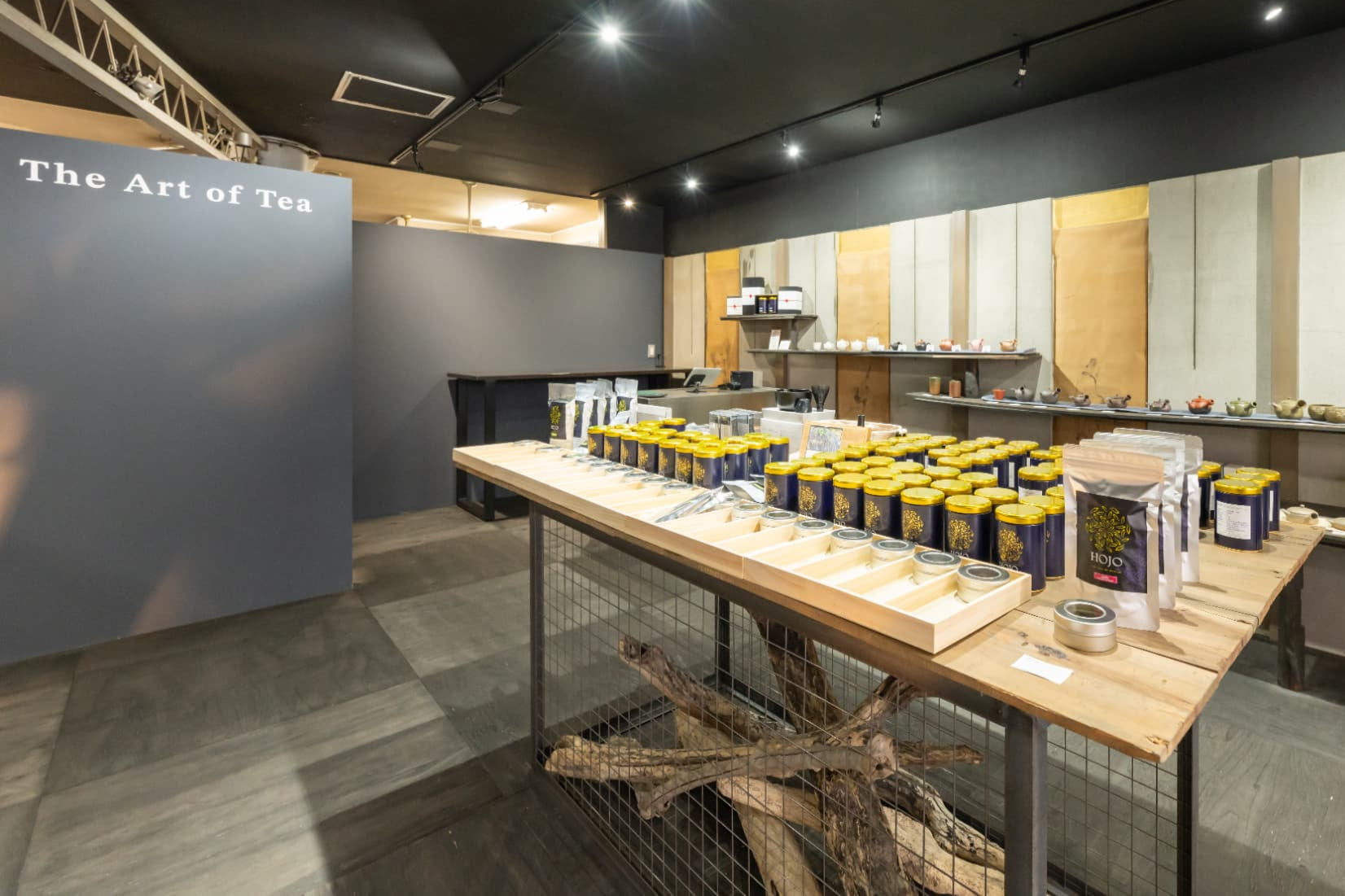
A lifestyle with tea
We don't just sell tea and tea utensils, we propose a lifestyle that includes tea.
The physical store offers tea tastings and experiential workshops, providing a place where you can experience the profound depth of Japanese tea.