

Bi Luo Chun 50g
Bi Luo Chun is one of China's most representative green teas, famous for its outstanding quality and distinctive flavor. HOJO offers a Bi Luo Chun with a long finish, grown without fertilizer or pesticides.
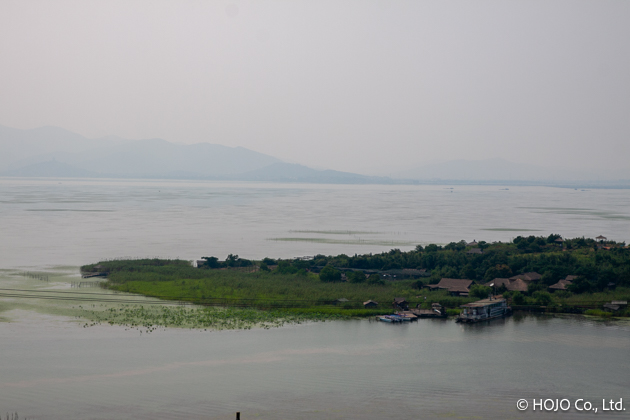
Lake Tai
Where Bi Luo Chun is grown
Bi Luo Chun is produced around Lake Tai in Jiangsu Province, centered on Dongting Shan. The area is blessed with a warm, humid climate and fertile soil, offering ideal conditions for growing tea. Dongting Shan is divided into East Dongting Shan and West Dongting Shan, and the Bi Luo Chun produced on East Dongting Shan in particular is famous for its high quality. East Dongting Shan is also called "Huaguo Shan," the mountain of flowers and fruit, and is known as a source of fine fruit, especially Chinese bayberry (yangmei). Our Bi Luo Chun comes from East Dongting Shan. 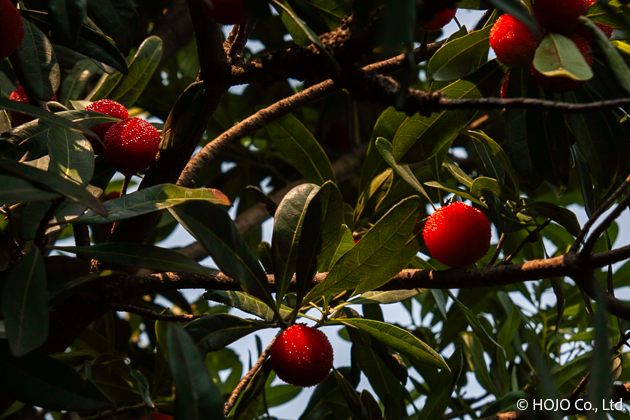
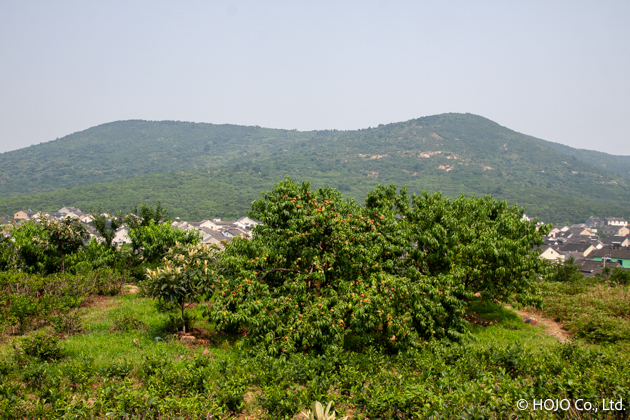
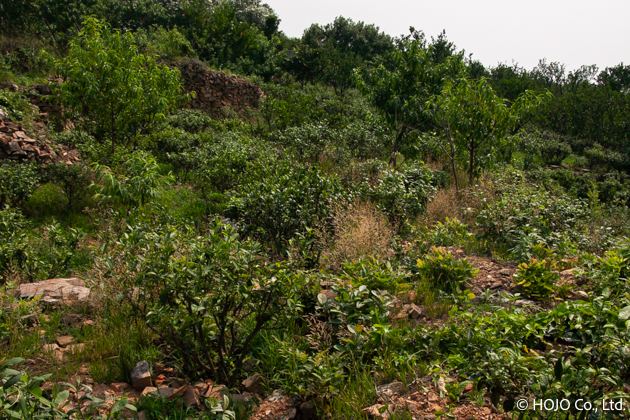
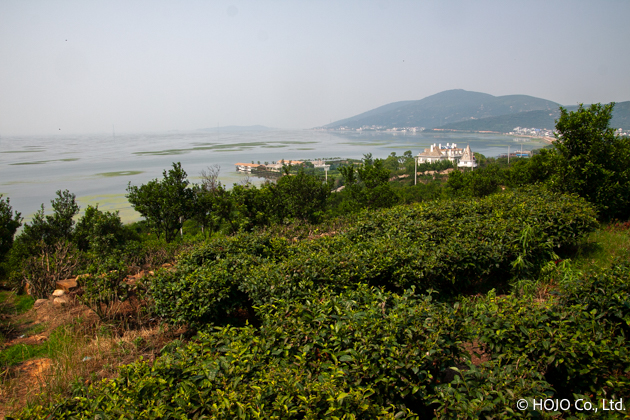
The advantages of East Dongting Shan
The climate of East Dongting Shan is warm and humid, and in early spring especially, frequent mist gives the leaves a distinctive aroma and flavor. Mist forms particularly readily on East Dongting Shan; by day it shields the sunlight and keeps temperatures from rising too far, while at night the ground cools rapidly, widening the gap between day and night temperatures. This wider temperature range works in favor of quality in crops, tea included. The soil of East Dongting Shan is also rich in iron, which we believe contributes to the tea's lingering finish. 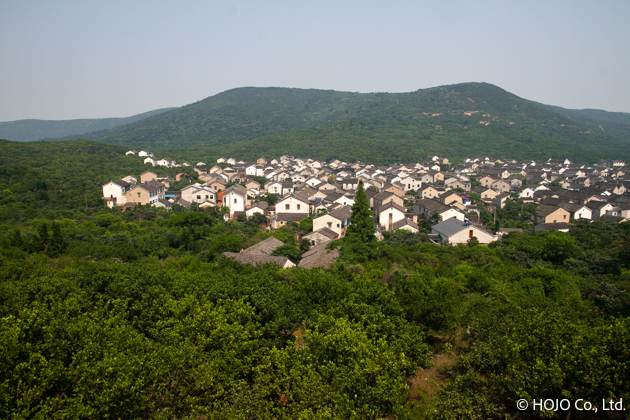
Unfertilized leaves with a long finish
Bi Luo Chun is picked in early spring, just as the young buds begin to emerge. The tea is characterized by its curled shape and fine white down; because the leaves are green, slender and rolled into spirals, it was given the name "Bi Luo Chun," meaning "green snail spring." The aroma is sweet like flowers, the taste is refreshing, and there is a subtle note of citrus fruit. 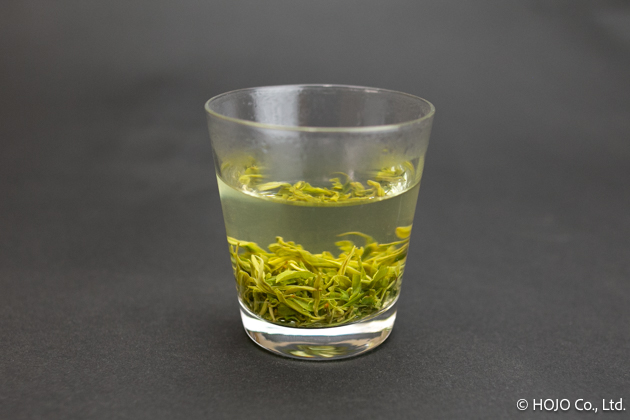
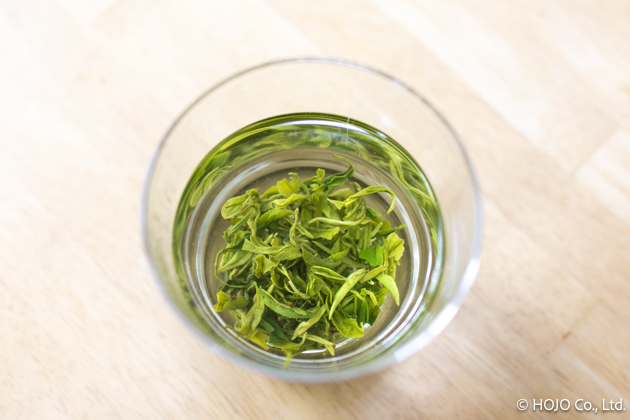
We source tea grown without pesticides or fertilizer. Without fertilizer, the leaves grow slowly over a long period, which gives them a high cell density, a rich aftertaste and a long, lingering finish for you to enjoy. 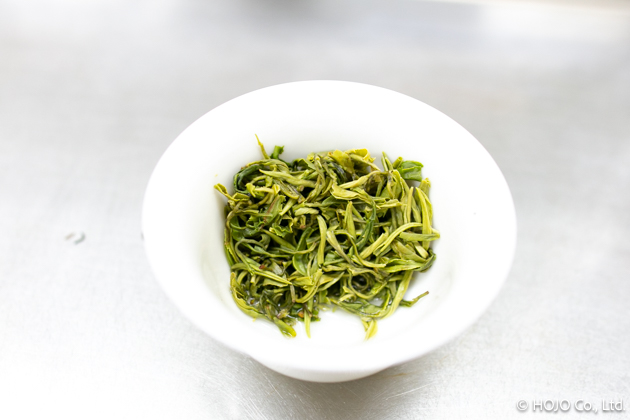
Production process
The production process is extremely delicate: the fresh, hand-picked leaves are carefully hand-rolled and then dried at a low temperature of 60-70°C. This process gives Bi Luo Chun its characteristic aroma and flavor. Bi Luo Chun produced on East Dongting Shan in particular is highly regarded for its quality and flavor and loved by many tea enthusiasts.
How to Brew
Water
We recommend tap water, as it is readily available. If you use tap water, boil it for 3 to 5 minutes to remove the chlorine used for disinfection. Even boiling, however, cannot remove chlorine completely. Wherever possible, use a water purifier with an activated-carbon filter to remove the chlorine. Otherwise the aroma compounds in the tea react with the chlorine and you cannot enjoy its true fragrance. Chlorine is added to kill microorganisms, but it kills not only harmful ones but also the beneficial bacteria living in our gut. Various harmful effects at the cellular level have also been reported, and it can be a cause of allergies.
Distilled water and reverse-osmosis water contain no minerals at all, so the tea tends to taste flat. Use mineral-containing water such as tap water wherever possible.
Also, never remove the limescale that builds up inside your kettle. Cleaning it with citric acid or the like will change the taste of your tea from what it used to be.
Once you have settled on a type of water, keep using the same type and do not switch. If the type of water changes, large amounts of minerals leach out of the scale, and after a while the tea will taste dramatically worse. Sticking to the same water is the secret to brewing delicious tea.
Amount of leaf
For up to two people, use 2-3 g of leaf per person; for three to four people, use about 5 g as a guide.Water temperature
A temperature of around 80-85°C is generally recommended. However, this tea is naturally grown and rich in polyphenols, so we also recommend brewing it with boiling water and a short steeping time.
Steeping time
For the first infusion, within 30 seconds is the guide. If you prefer a lighter tea, 10-20 seconds after adding the water is enough to bring out the flavor.
For the second infusion, simply pass the hot water through. In other words, there is no need to wait even one second. You can even place the leaves in a filter, as with coffee, and just pour hot water through.
Brew the third to sixth infusions and beyond the same way as the second.
How to make cold-brew tea
Making cold-brew tea is extremely simple.
As a guide, 5 g of leaf makes 1 liter of cold-brew tea.
If you make a full liter from the start, adjusting the strength afterwards is difficult, so a more reliable method is to use 500 ml of cold water for 5 g of leaf and then add water to adjust the strength once brewing is finished.
Putting the leaves directly into a plastic bottle is also a convenient method.
The cold-brewing time is generally one to three hours. In summer, when temperatures rise, cold-brew in the refrigerator.
After a few hours of cold-brewing, removing the leaves helps preserve the delicate flavor. That said, even if the leaves are left in, the flavor does not change drastically, so adapt to suit your needs.
Choose options