
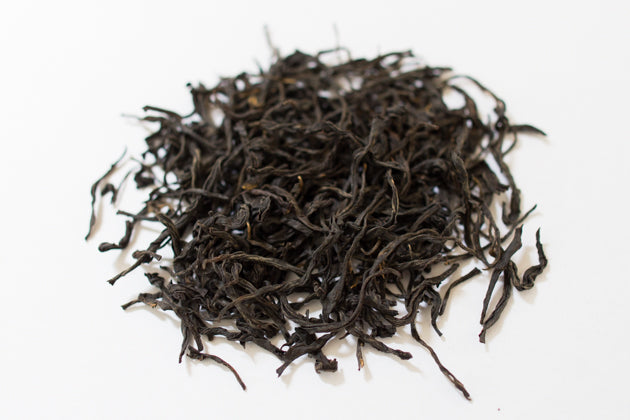
Lapsang Souchong (a rare variety of Jeongsan Souchong) 50g
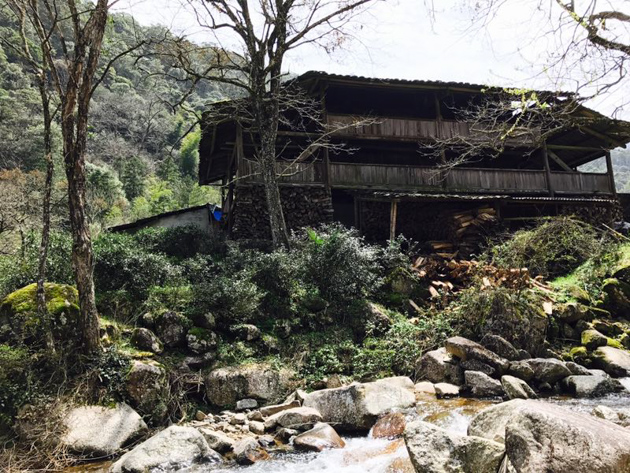
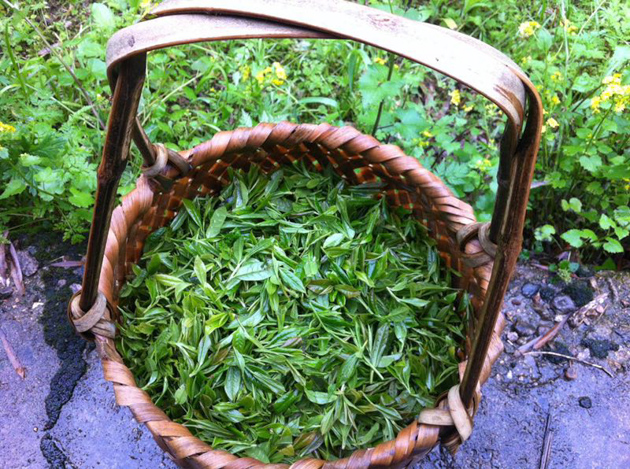
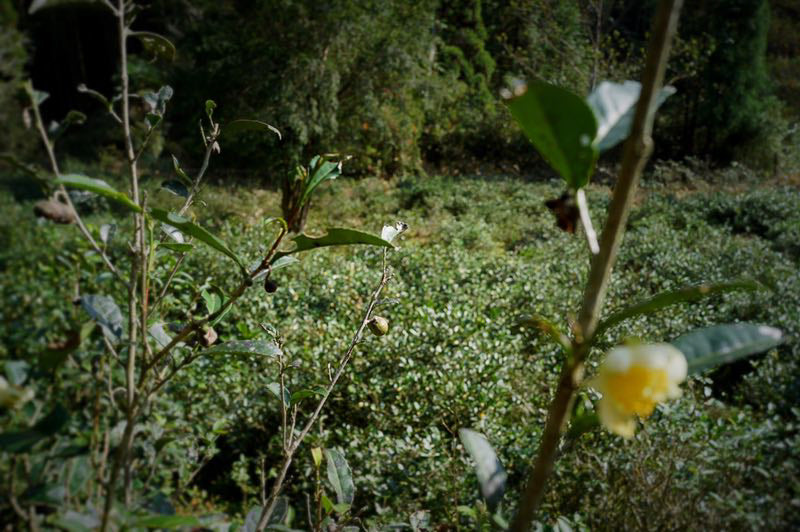
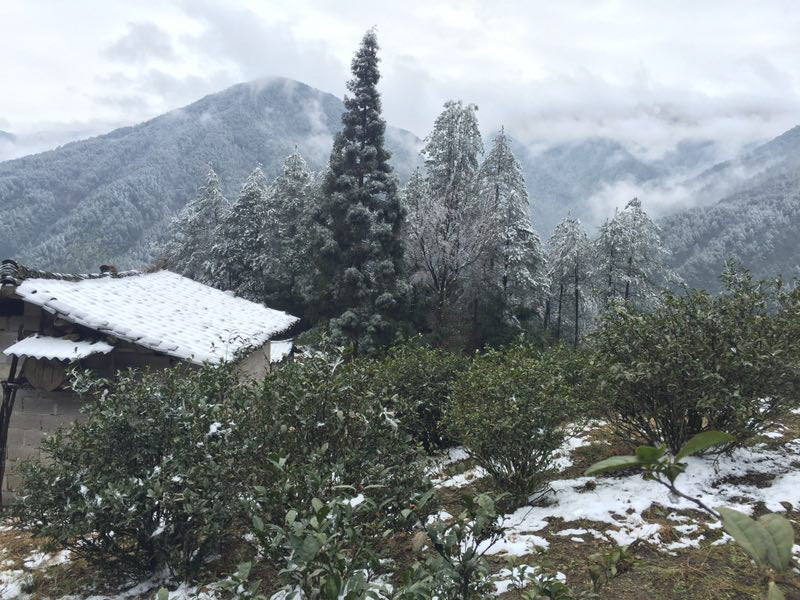
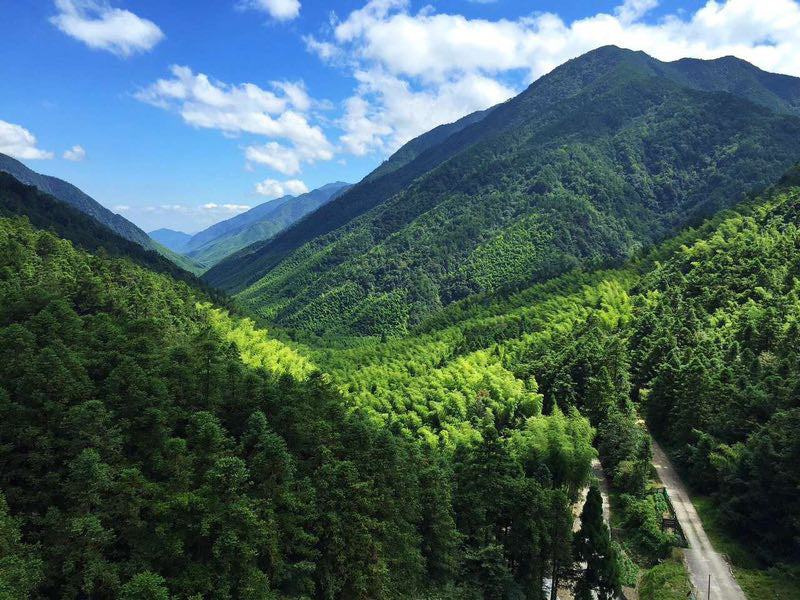
This tea is made from a native species (a rare variety) harvested in a naturally cultivated tea plantation at an altitude of 1,200m in Kirikiseki, and has a sweet, fruity aroma reminiscent of peaches and mangoes.
It doesn't have any smoky smell like the commonly known Lapsang Souchong.
This is the most luxurious Zhengshan Xiaozhong introduced by HOJO.
Enjoy the fruity aroma that is said to have captivated the British in the 1800s.
A rare native species that has been growing wild in Kirikiseki for a long time.

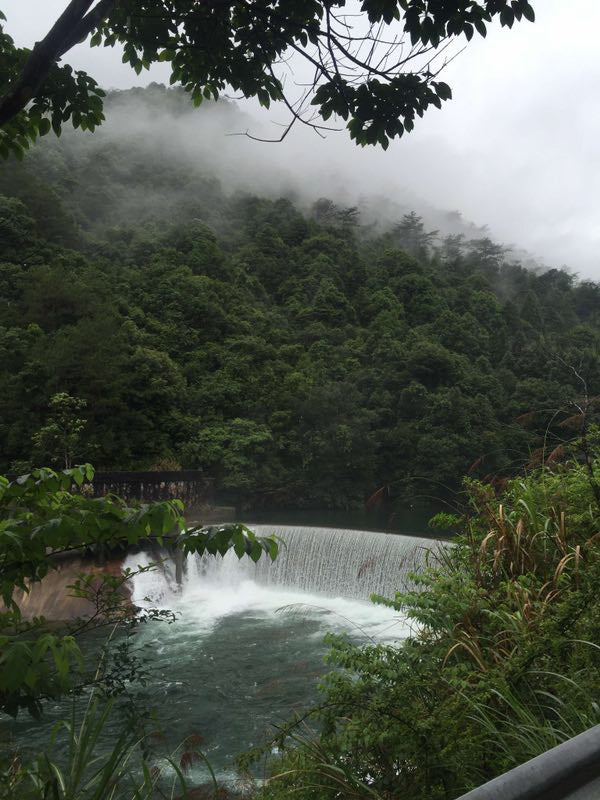
The seedling tea that has been growing wild for a long time in Tongmu Pass, Xingcun Town, Wuyi Mountain, is called a rare species by the locals.
Misho is tea planted from seeds, and in Japan it is called a native species.
Tea sown from seeds has a taproot, which grows straight into the ground like burdock, making it easy for the plant to absorb minerals and producing a tea with a strong, lingering aftertaste.
This rare variety of Tongmukan native tea has a strong and distinctive aroma and is highly prized locally as an ingredient for the high-quality Lapsang Souchong.

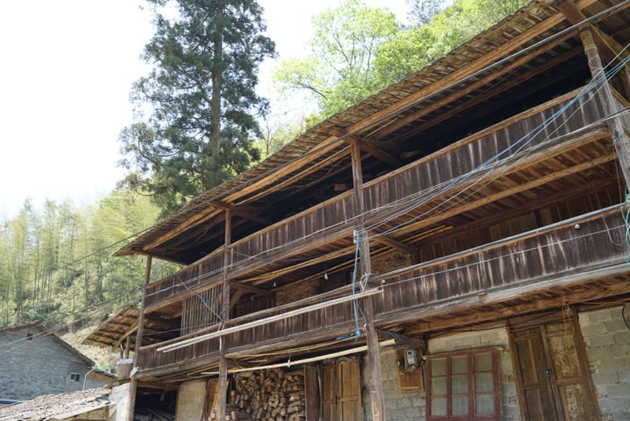
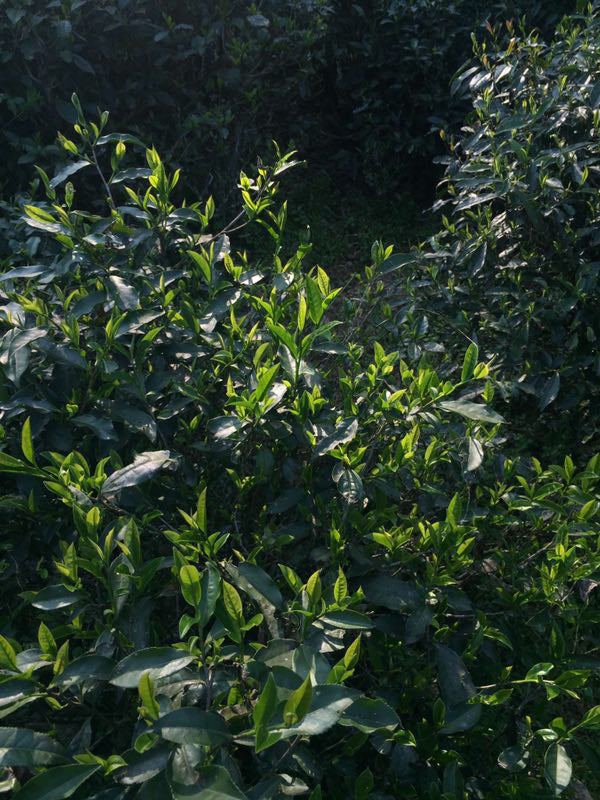
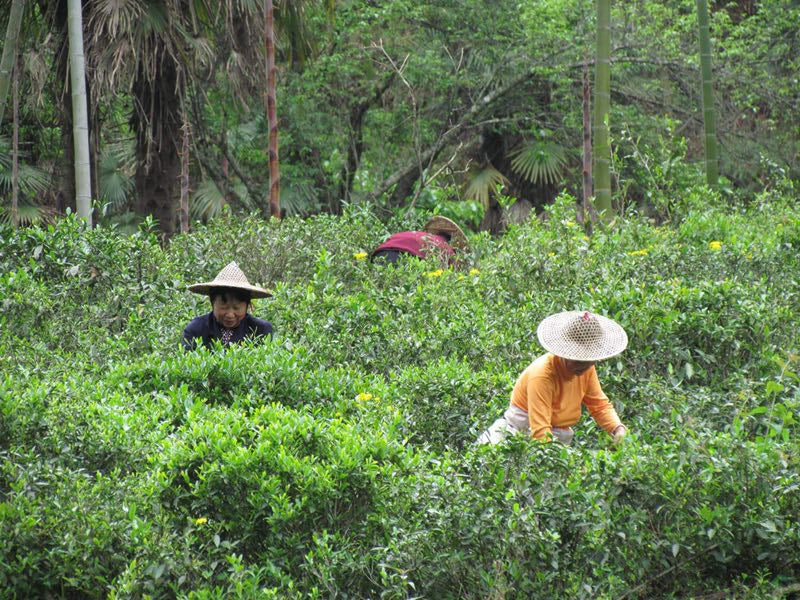
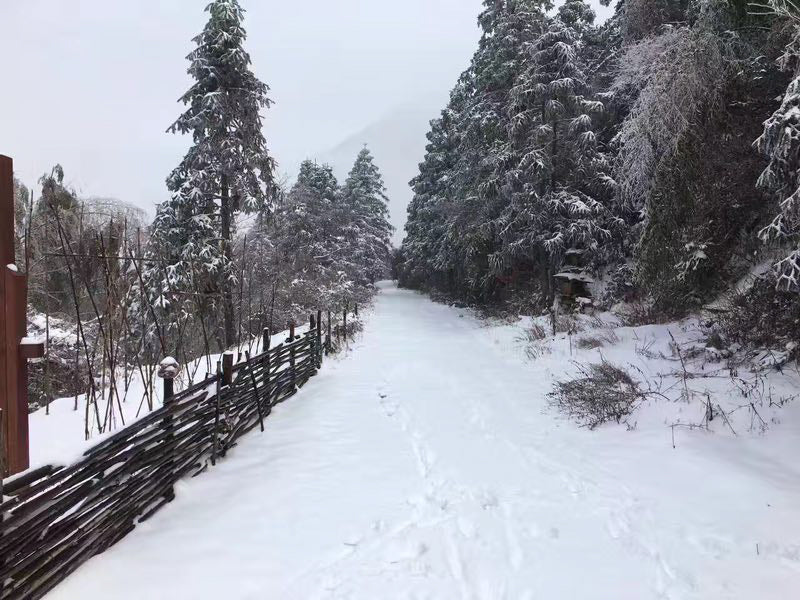
HOJO purchases tea directly from tea farmers and producers who own tea farms in Kirimuguan. The Zhengshan Xiaozhong Qishu tea farm that HOJO purchases is located at an altitude of 1,200m and has tea trees that are over 100 years old.
In Kirikiseki, the entire village practices natural farming methods, and the tea plantation from which we sourced our tea this time uses absolutely no pesticides or fertilizers.
Therefore, the tea grows very slowly, has a strong flavor, and has a very long aftertaste. The small red sweet tea sold at HOJO is also made from a rare variety, but it is grown at an altitude of 900-1000m.

Zheng Shang Zhong is the black tea that became Earl Grey
Lapsang Souchong is the most well-known black tea among tea lovers as it is the world's first black tea.
When King Charles II of England and Princess Catherine of Portugal married in 1662, the princess brought her favorite tea, Zhengshan Sozhong, from her home country, and it is said that this marked the beginning of the tea boom in England.

There are many other interesting stories about Zhengshan Sozhong. For example, did you know that Zhengshan Sozhong is the tea that became the basis for the famous Earl Grey?
It is well known that when an Englishman tried Zhengshan Sozhong tea, he was so impressed by its sweet fruity aroma that he developed Earl Grey, a tea scented with bergamot, to imitate that aroma.

The mystery behind the sweet fruity aroma of Zhengshan Sozhong
Reading the many legendary anecdotes, one cannot help but imagine Zhengshan Sozhong as a black tea with an enchanting sweet fruit aroma.
However, many of the Zhengshan Xiaoshun available in Japan have a strong smoky smell similar to Seirogan.
I think many tea lovers are fascinated by the story of Zhengshan Soazhong, and when they drink it, they are confused and at a loss as to what to do with it, as there is a gap between the story and the actual aroma.
Currently, there are two ways of making Zhengshan Xiaozhong tea in Wuyi Mountain. Black tea with a pine-smoke scent is mainly for overseas markets, while black tea with no smoky scent is for domestic markets.
Black tea with a fruity aroma is produced. Generally, tea with a smoky aroma is called "traditional style" or "traditional style" and is distinguished from tea without a smoky aroma.
Also, even among teas that have a smoky scent, they can be broadly divided into teas in which the fermentation is stopped after the fermentation process, and teas in which the fermentation is not stopped and the tea is immediately dried using the heat from burning pine wood.
Tea made in the latter way will be over-fermented, causing the leaves to turn brown and giving off a woody aroma.

In summary, the current Zhengshan Xiaozhong of Tongmuguan can be divided into the following three styles:
- Smoky and fruity tea
- Tea with a smoky and woody aroma
- A fruity tea without the smell of smoke
I believe that the classic Zhengshan Xiaozhong was probably the tea with the best smoky and fruity aroma.
Since spring is extremely cold in Tongmu Pass, the drying process has traditionally been carried out using the heat from burning pine trees, so there would have been a more or less smoky smell.
In addition, the native Paulownia species is characterized by a very strong fruity aroma, and as long as the fermentation is properly stopped, the fruity aroma will be formed regardless of the presence or absence of smoky aroma.

In Japan, most Zhengshan Xiaozhong teas do not have a fruity aroma, but cheap teas for export are often made from Zhengshan Xiaozhong teas made from teas other than Tongmuguan, known as Waishan Xiaozhong, and these teas do not have much of a fruity aroma.
Also, even if you use exotic varieties as ingredients, if you do not stop the fermentation, the resulting tea will have no fruity aroma at all, like number 2.
Zhengshan Sozhong Qishu is type 3. It is a tea that seems to have condensed the good points of Zhengshan Sozhong, with no smoky aroma at all and a strong sweet fruity aroma reminiscent of peaches, nectarines, and mangoes.
In addition, the high altitude, natural farming methods, and the fact that the wine is grown on old trees and seedlings give it a very strong aftertaste that lingers for a long time and seeps into your body.
Further maturation through charcoal roasting
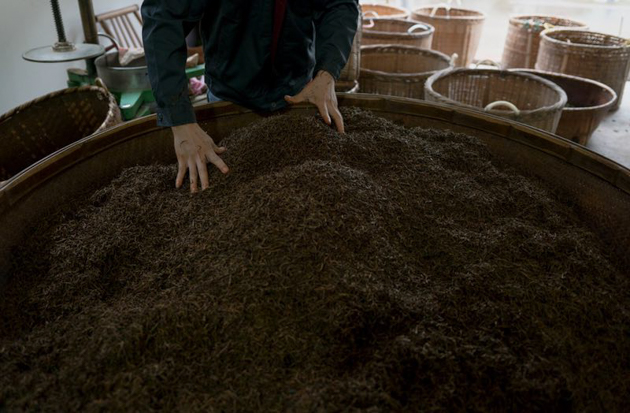
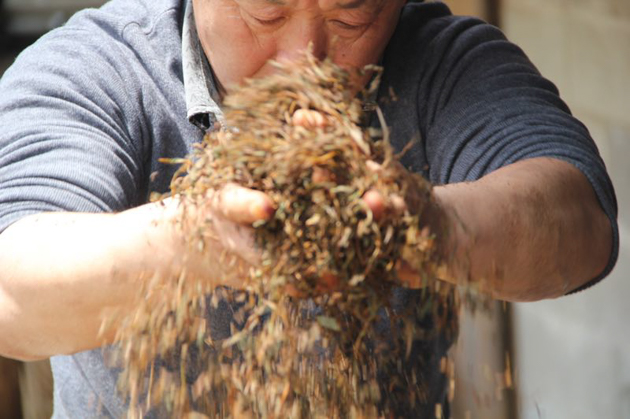
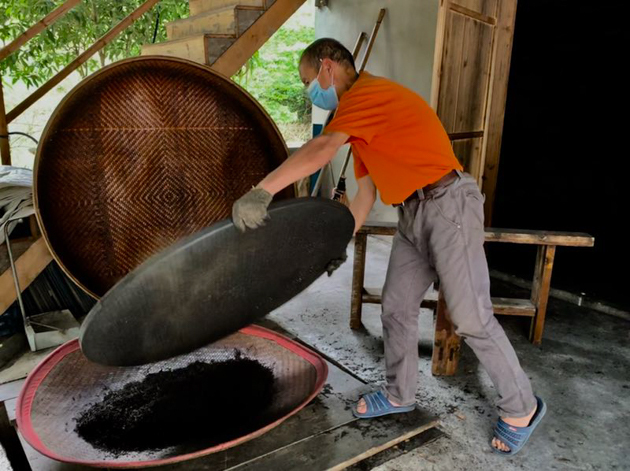
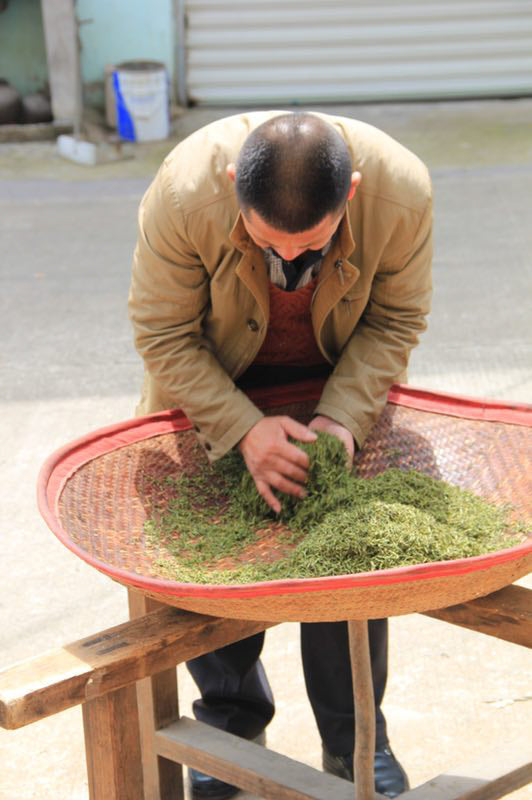
The most distinctive feature of the manufacturing process of Zhengshan Xiaozhong Qizhou is that after the typical black tea processes of withering, rolling, stopping fermentation and drying, the tea is then roasted over charcoal.
This is the same as Phoenix Dancong Oolong Tea and Wuyi Oolong Tea, and by slowly heating it at a lower temperature, the tea's maturation is accelerated and the fruity aroma is enhanced.
This charcoal roasting process is essential in creating the unique fruity aroma of Zhengshan Sozhong.
In recent years, many teas have been produced that are unroasted or electrically roasted, but at HOJO we are particular about sourcing Zhengshan Shouzhong tea that is roasted at low temperatures using charcoal.
Choose options